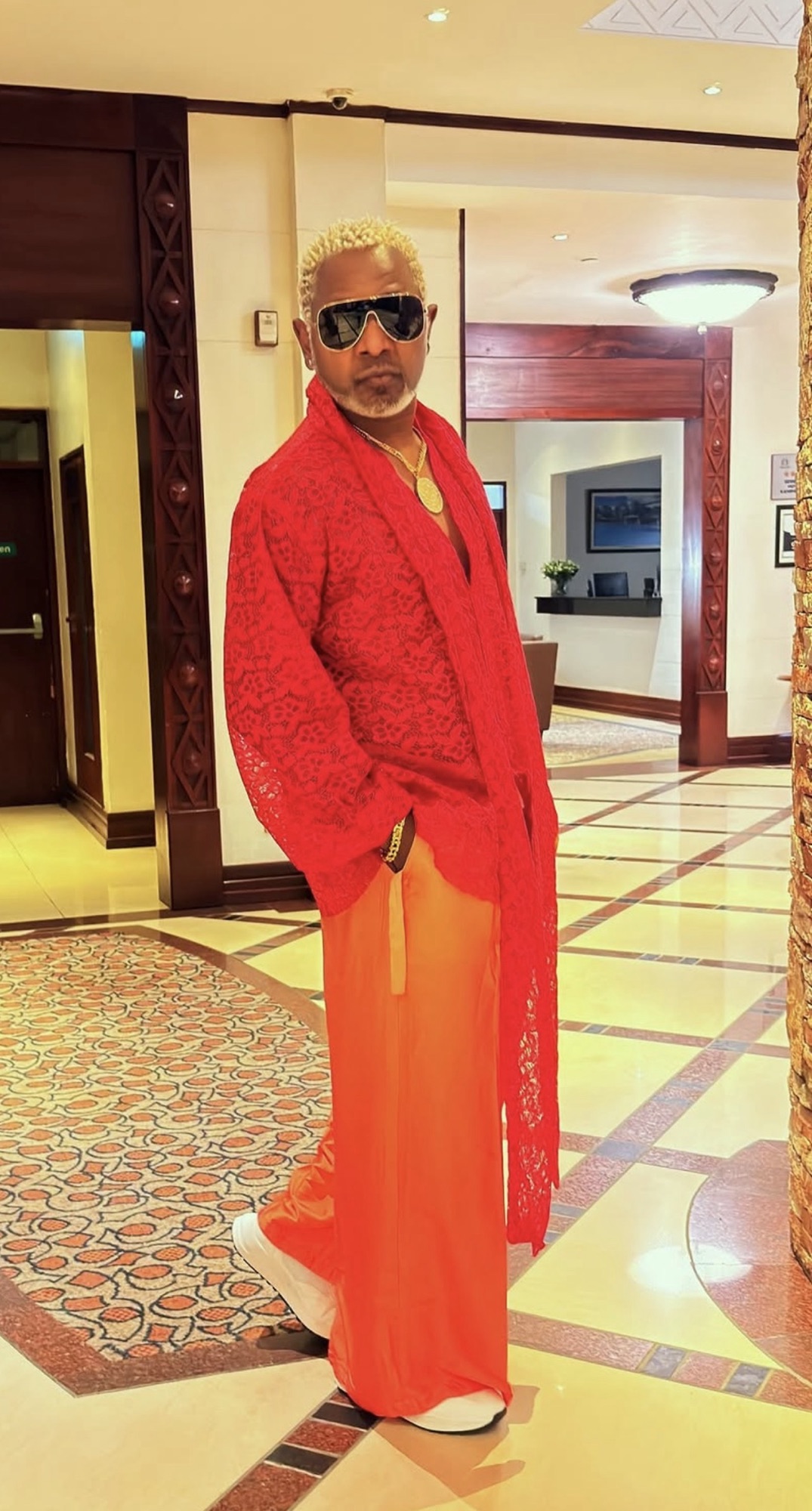
Awilo Longomba
Louis Albert William Longomba, professionally known as Awilo Longomba, is a Congolese singer, songwriter, drummer, dancer, record producer, and media personality born on May 5, 1962, in Kinshasa, Democratic Republic of the Congo. Widely regarded as one of Africa’s most influential entertainers, he pioneered the techno-soukous genre by blending traditional Congolese soukous and ndombolo with modern electronic dance music.
Born into a legendary musical family, Awilo is the son of Vicky Longomba, a founding vocalist of T.P. OK Jazz. He began his professional career as a drummer in the 1980s, performing with renowned Congolese bands including Viva La Musica, Orchestre Stukas, Loketo, and La Nouvelle Génération. In 1995, he launched his solo career with the critically acclaimed album Moto Pamba, which earned him widespread recognition across Africa.
Awilo achieved continental superstardom with his second album Coupé Bibamba (1998). Its title track became one of the most celebrated African dance songs of all time, dominating airwaves across Africa and inspiring generations of musicians. He followed with successful albums including Kafou Kafou, Mondongo, and Superman, featuring classics such as Karolina, Bundele, Rihanna, and Canon.
Throughout his career, Awilo Longomba has collaborated with numerous African stars including P-Square, Yemi Alade, Tiwa Savage, Harmonize, Innoss’B, and Barbara Kanam. His influence extends far beyond Central Africa, particularly in Nigeria, where his music became a cultural phenomenon and helped shape the evolution of contemporary Afrobeats and dance music.
Today, Awilo Longomba remains one of Africa’s most respected musical icons, celebrated for his electrifying stage performances, innovative sound, and lasting impact on African popular music.